
Measles Precautions: What to Know
January 29, 2026 by Keely Knopp
At Mercy Urgent Care, our priority is keeping our community healthy, and that includes preventing the spread of serious illnesses through increased safety precautions and raising public awareness of viral infections impacting our region — how they spread, what symptoms to watch for and how to protect yourself and others.
Right now, our neighbors in Upstate South Carolina are experiencing a significant measles outbreak, with more than 600 confirmed cases centered around Spartanburg County. As of Jan. 27, nine confirmed measles cases have been reported in Western North Carolina, with six in Buncombe County, two in Polk County and one in Rutherford County.
While measles is preventable, it is also highly contagious — and being informed and proactive is the best way to protect yourself and those around you. Let’s start with the basics:
What is measles?
Measles is a viral illness that spreads through the air when an infected person speaks, coughs, sneezes or breathes. The virus can remain airborne for up to two hours after an infected person leaves a space, which is why outbreaks can spread quickly.
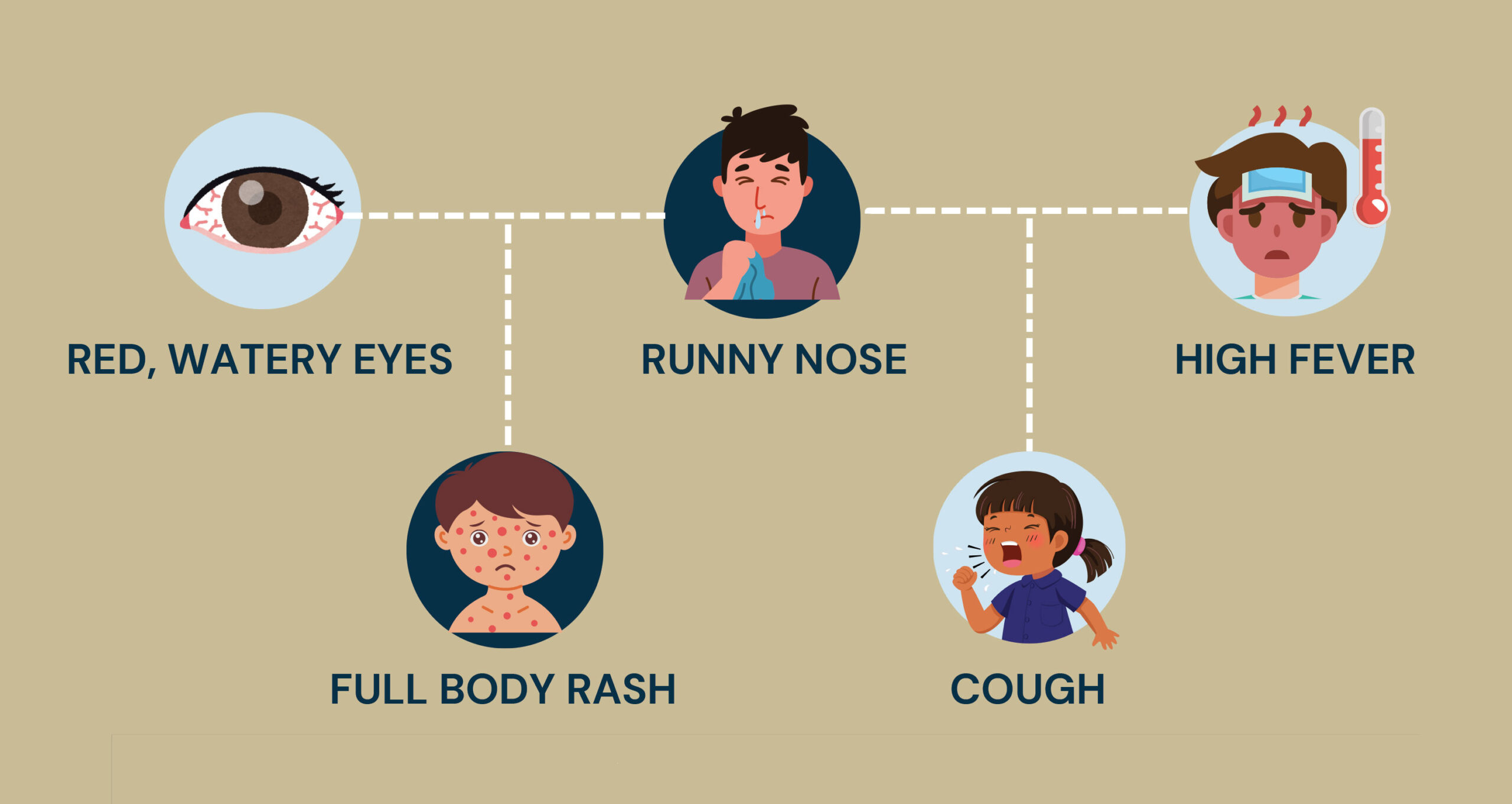
Early symptoms typically appear seven to 14 days after exposure and often mimic a common cold or flu. Measles typically causes:
- Fever
- Cough
- Runny nose
- Red, watery eyes
- Tiny white spots inside the mouth (called Koplik spots) that show up two to three days after symptoms begin
- A rash, beginning on the face three to five days after first symptoms and spreading downward across the body
Although many people recover from measles, the illness can cause serious complications — particularly in babies, young children, pregnant people and individuals with weakened immune systems. Serious complications include pneumonia or swelling of the brain, which, in rare cases, can be fatal.
How is measles prevented?
Vaccination. The measles, mumps and rubella (MMR) vaccine is the most effective way to prevent measles. Two doses provide lifelong protection from the disease for 97% of people. In fact, measles was declared eliminated in the United States in 2000, thanks to a very high percentage of people receiving the MMR vaccine.
You are likely protected if:
- You have received two doses of the MMR vaccine, or
- You were born before 1957, when measles exposure was widespread.
Most people born in the U.S. since the 1960s have likely received at least one dose of the measles vaccine as part of their regular childhood immunization schedule, with a second dose added in 1990. The first vaccine is typically given to children who are 12–15 months old, with the second usually given prior to their first year of school — around 4–6 years old.
At least 95% of people need to be vaccinated to keep a community safe, protecting even unvaccinated individuals and babies too young to receive the vaccine, people with significantly compromised immune systems. If vaccination rates drop below that, outbreaks are more likely to happen. Much of Western North Carolina falls below that rate, with Buncombe County’s overall coverage estimated at around 90%. Outbreaks often occur in schools or other pockets of the community where vaccination rates are well below immunity levels, then spread on a broader scale. Parents of elementary-aged children can check their school’s estimated vaccination coverage on the NCDHHS’s Vaccination Data Dashboard.
If you’ve been exposed or feel ill
If you believe you or your child may have been exposed to measles and you do not have evidence of immunity, the CDC recommends self-quarantining for 21 days or receiving the MMR vaccine within 72 hours of exposure.
Those experiencing symptoms should self-isolate until measles has been ruled out or until the infectious period ends (from identification of illness until four days after rash onset). Those with current or suspected infections should avoid public places, including the waiting rooms of medical facilities. Instead, patients are asked to please call ahead and wait in their vehicles to prevent exposing others to the virus.
Planning to visit Mercy Urgent Care and experiencing a fever, cough, runny nose or rash? Please call your nearest location, describe your symptoms and await instructions from staff before entering the building.
Calling ahead allows medical teams to take appropriate precautions to protect other patients and staff while ensuring you receive safe, timely care.
How Mercy is responding
Mercy Urgent Care is complying with all CDC and state requirements. As of Jan. 19, 2026, patients are required to wear a mask inside all Mercy Urgent Care facilities. This will remain in effect until there is no longer an ongoing risk of measles transmission in the region. Those who do not have a mask will be provided with one upon entry regardless of the reason for their visit. Patients should check the signs on the door and proceed accordingly.
As Western North Carolina’s only independent, nonprofit urgent care network, Mercy Urgent Care is committed to providing compassionate care for all — especially during times when community health is at risk. We appreciate your patience and cooperation as we navigate treating patients for a broad spectrum of non-life-threatening illnesses and injuries.