Weeding Out the Season
August 10, 2026 by Keely Knopp
We’re in the thick of summer, and while grass pollen might be on its way out, we are up against the third and final wave of pollen season: weed pollen. And the worst culprit is ragweed.
Ragweed grows throughout the U.S. but especially in Eastern and Midwestern states. Depending on location, ragweed season begins around August, peaks in mid-September and can last through October—or up until the first frost—making it one of the longest lasting pollen seasons.
Ragweed is especially proliferated in rural areas and along streams and riverbanks, but can also grow in urban and suburban areas, along roadsides, in vacant lots and in fields. One ragweed plant can produce up to 1 billion pollen grains in a season, and because it thrives in heat, pollen could be up to seven times higher in cities, where the average daily temperature tends to be a few degrees warmer than in rural areas.
For those with ragweed allergies, the pollen triggers seasonal allergic rhinitis, or “hay fever.” This pollen can cause allergic reactions such as runny and stuffy nose, postnasal drip, sneezing, coughing and wheezing, itchy, red and watery eyes, and overall fatigue from symptoms and disturbed sleep.
Below, we’ve compiled a list of tips for limiting your exposure to weed pollen during the late summer and fall months.
Outdoor Exposure
The warmest time of the day during the hottest time of year supports ragweed in its production of copious amounts of pollen. When possible, avoid going outside in the late morning to midday hours, when weed pollen counts tend to peak.
It can be helpful to be aware of the pollen count in your area. Local news often reports the count for the area, especially when pollen is high. You also can get your area’s pollen counts from the National Allergy Bureau or apps like Pollen Wise.
Pollen exposure is typically lower:
on cool mornings.
in high humidity.
after rainfall.
Exposure is at its highest:
on warm, dry mornings and afternoons.
in breezy weather.
after mowing.
To reduce exposure while outside, wear a hat or scarf to cover your hair, and remove your shoes on the porch to avoid tracking in pollen. When returning home for the day, change into “indoor clothes” immediately, and shower if you’ve been outside for an extended period. Pets who have been in the yard should be wiped down or bathed when coming inside. Remember to keep your windows closed and avoid drying laundry outside.
General Wellness
Many of the habits that are good for general health — exercising regularly, getting enough sleep and staying hydrated — can help against allergies too, giving your immune system a strong base to fight with.
Next year, plan ahead by taking allergy medicines and treatments at least two weeks before weed pollen season begins. Over-the-counter medicines work best when they’re already in your system before symptoms start. For those with asthma, always make sure you bring an inhaler with you outside — weed pollen is a known asthma trigger and warrants extra caution.
Keeping the skin moisturized can also help, as it creates a protective barrier that is harder for allergens to breach.
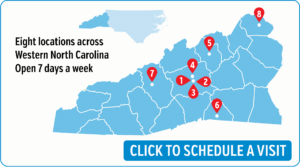
If you’re taking precautions against spring allergies and still can’t find relief, Mercy Urgent Care is here to help. As Western North Carolina’s only independent, nonprofit urgent care network, Mercy is committed to providing compassionate care for those suffering from sniffling, sneezing or any other non-life-threatening illness or injury this season. Visit us at any of our eight centers in Asheville, Boone, Burnsville, Columbus, Waynesville and Weaverville.